TRAVEL de GLOBE.
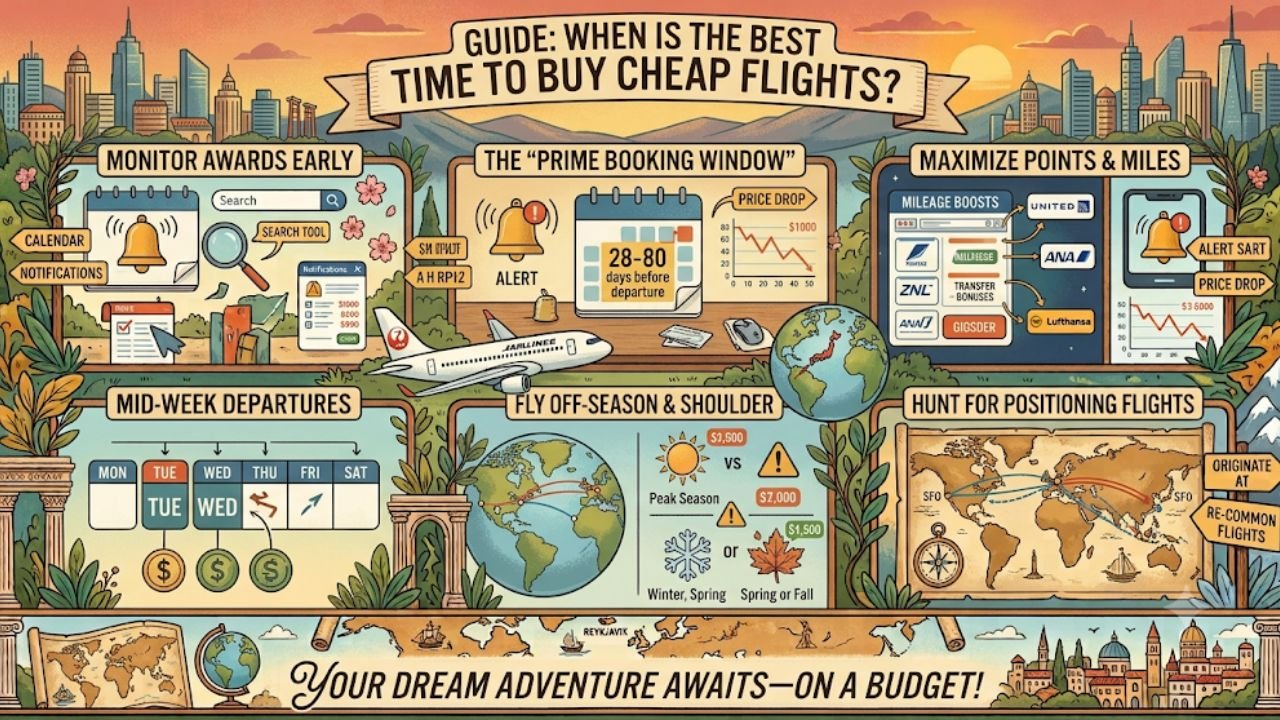

If you’ve ever found yourself asking when is the best time to buy cheap flights, you’re not alone. Travelers pour hours into search engines hoping for a magic formula. The truth is that airline pricing relies on complex algorithms that shift constantly, but years of data have revealed reliable patterns. This guide cuts through the noise, drawing on recent studies and industry insights to help you lock in the lowest fares without the guesswork.
What Shapes Airfare Prices in the First Place?
Before pinpointing the ideal booking moment, it helps to understand what drives ticket costs. Airlines use dynamic pricing models that factor in seat availability, route demand, fuel costs, and competitor activity. A flight that looks cheap on a Tuesday morning can double by Friday afternoon simply because more people are shopping for the same route. Historical booking curves show that carriers adjust fares in response to real-time purchasing behaviour, not arbitrary calendars. This explains why rigid rules often fail and why grasping the rhythm of fare movement is more valuable than fixating on a single day.
The Prime Booking Window for Domestic Flights
For trips within the United States, the data consistently points toward a sweet spot several weeks before departure. An analysis by Google Flights covering five years of fares found that the lowest prices typically appear between 21 and 44 days before a domestic flight. Booking inside that window offers the best balance of availability and discounted rates. Meanwhile, CheapAir’s 2024 Annual Airfare Study identified 42 days out as the average day fares bottom out, with a wider “prime booking window” stretching from 21 to 121 days. Locking in a ticket three to six weeks ahead works well for most routes, though popular holiday destinations may need a slightly longer lead time.
It is equally important to know when not to book. Fares tend to spike in the last seven days before departure, and they also run high when travellers purchase more than five months in advance. Airlines rarely release their cheapest inventory that early, so premature buyers often pay a premium for peace of mind.
When to Secure International Bargains
International routes operate on a different clock. Because overseas trips involve fewer last-minute business travellers and more vacation planners, the optimal booking window shifts further out. For flights from the United States to Europe, the best prices usually surface two to eight months before travel, with a sweet spot around 120 days ahead. Destinations in Asia and South America follow a similar curve, though seasonal demand swings can shorten or lengthen the window. A good rule of thumb is to start monitoring fares six months in advance for popular long-haul routes and to book as soon as you see a price dip below the typical range for your travel dates.
Do Specific Days of the Week Really Matter?
The idea that Tuesday afternoon is the magic moment to buy cheap tickets has been repeated so often it feels like gospel. In reality, the advantage is modest at best. Flying on less crowded days—particularly Tuesdays and Wednesdays—can trim your fare by up to 20% compared with peak weekend departures. However, the day you purchase matters far less than it used to. Airlines now reprice seats continuously, so the savings from booking on a Tuesday versus a Saturday are usually tiny. What remains true is that weekends bring a surge of casual browsers, which can nudge prices up as demand signals strengthen. If you want to give yourself every possible edge, checking fares during the quiet hours of Tuesday morning might uncover a slightly better deal, but don’t expect a dramatic drop.
Seasonal Trends That Save Money
The calendar exerts a powerful influence over airfare. January and February are consistently the cheapest months to fly, driven by post-holiday lulls in demand. September, once Labour Day has passed and schools are back in session, offers another dip before the autumn holiday rush. In contrast, June, July, and the weeks around Thanksgiving and Christmas push prices to their annual peaks. Shoulder seasons—April through early June, and late September through October—strike an attractive balance of lower fares and decent weather across many destinations. If your schedule allows, flying during these off-peak windows can deliver hundreds of dollars in savings before you even start hunting for deals.
Debunking Persistent Booking Myths
Misinformation about cheap flights circulates as freely as the fares themselves. One stubborn myth insists that searching incognito or clearing cookies will prevent airlines from raising prices based on your interest. Independent studies have debunked this repeatedly; carriers do not single out individual browsers to inflate fares. Another false belief holds that last-minute deals are easy to find. While it is true that a handful of unsold seats occasionally go for a discount, the overwhelming pattern shows that procrastination leads to higher costs, especially on routes with limited capacity. Relying on these myths can cost you more than a little extra patience and research.
Putting It All Together: A Practical Timeline
Rather than chasing an exact date, savvy travellers use a timeline approach. For a domestic getaway, start tracking prices about three months out and plan to purchase between three and six weeks before departure. For an international adventure, widen the window: begin monitoring six to eight months ahead, and aim to book once fares stabilise, usually three to five months prior. Keep an eye on midweek flight dates for possible extra savings, and whenever your schedule permits, target those low-demand months of January, February, or September. Sign up for fare alerts from aggregators and set flexible date searches so you can spot anomalies quickly. This way, you react to real price drops instead of guessing.
Understanding when is the best time to buy cheap flights isn’t about memorising a single date. It’s about knowing the rhythms of supply and demand, recognising the value of a well-timed booking window, and dodging the myths that lead people astray. Armed with the patterns outlined here, you can book with confidence and hold onto more of your travel budget for the experiences that matter.