TRAVEL de GLOBE.
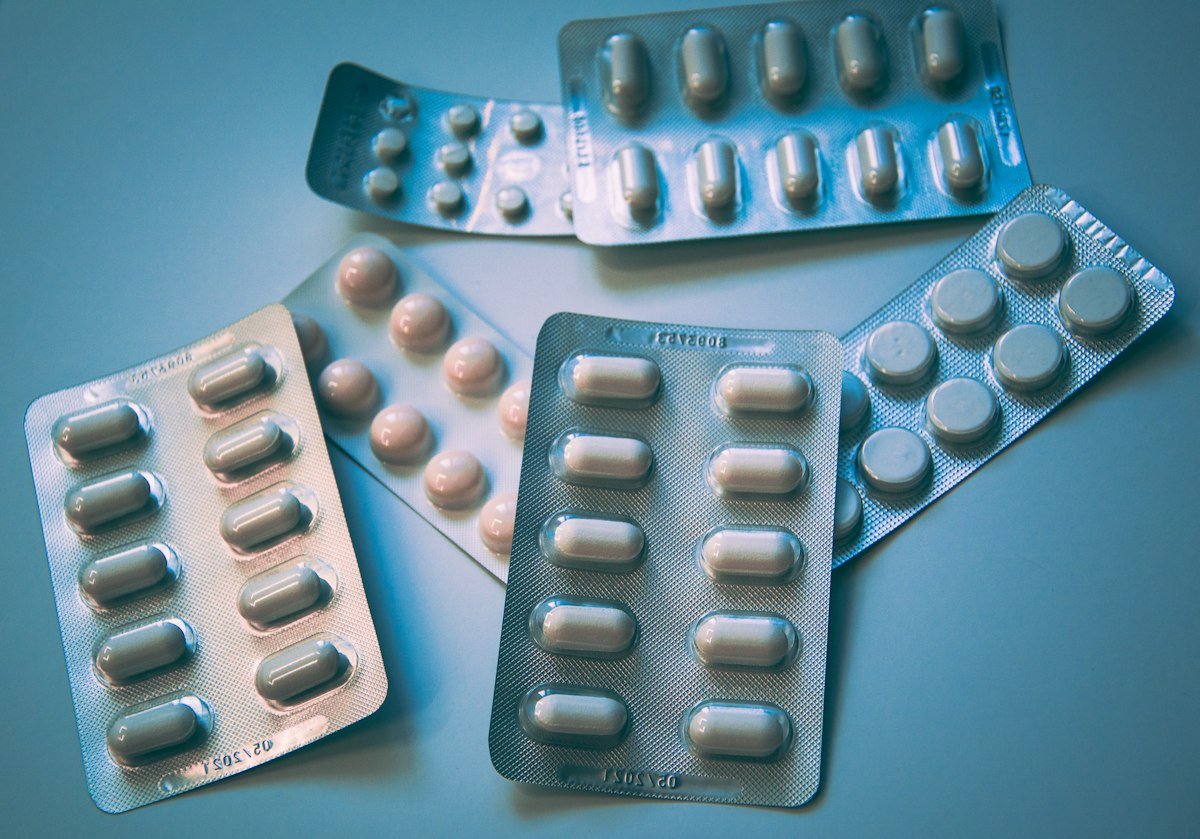

In the United States and Canada, walking out of a pharmacy with a 30-day bottle of Adderall, Vyvanse, or Xanax is completely routine. Pack that exact same orange plastic vial into your backpack for a vacation in Tokyo, Dubai, or Singapore without checking foreign narcotics statutes first, and you can find yourself handcuffed in an airport customs interrogation room facing felony drug smuggling charges.
When traveling internationally with ADHD medication and prescriptions, a valid doctor’s note from your home country does not grant diplomatic immunity over foreign drug laws. Many sovereign nations classify amphetamine salts, opioids, sleep aids, and even over-the-counter American decongestants like Sudafed (pseudoephedrine) in the same legal category as illicit street narcotics. Before you sort your pills into a plastic Monday-through-Sunday organizer, here is the country-by-country compliance protocol you must follow.
Bringing Adderall and Vyvanse to Japan and the UAE: The Hard Red Lines
Nowhere are the rules around bringing Adderall and Vyvanse to Japan and UAE more misunderstood than on social media travel forums. Both nations enforce strict statutory controls through dedicated federal narcotics agencies, and customs officers routinely screen incoming bags with trace chemical swabs and X-ray density scanners.
1. Japan’s Stimulants Control Act (Narcotics Control Department)
Under Japan’s Stimulants Control Act, supervised by the Ministry of Health, Labour and Welfare (MHLW) and its Narcotics Control Department (NCD), any medication containing amphetamine or methamphetamine (including Adderall, Adderall XR, Mydayis, and Dexedrine) is 100% prohibited. There is no advance import permit, no medical waiver, and no small-quantity exception for tourists. Bringing even three capsules of Adderall into Tokyo Haneda or Osaka Kansai is a criminal offense that has resulted in multi-week police detention and deportation for unwitting foreign travelers.

What about alternative ADHD medications in Japan? Each compound follows a distinct legal track:
- Vyvanse (Lisdexamfetamine): Classified as a “Stimulants’ Raw Material.” Unlike Adderall, tourists can apply to bring a personal supply of Vyvanse into Japan, but you must obtain written advance import/export permission from the Japanese Narcotics Control Department at least 14 days prior to arrival by submitting a formal application and physician’s medical certificate. Never board a flight to Japan with Vyvanse until you hold the stamped NCD import certificate in hand.
- Ritalin and Concerta (Methylphenidate): Classified as a Psychotropic under Japan’s Narcotics and Psychotropics Control Act. You may bring up to a cumulative total of 2.16 grams (2,160 mg) of methylphenidate for personal use (up to a 30-day supply) in original labeled containers without an advance Yunyu Kakunin-sho permit. For example, thirty 36 mg tablets of Concerta equal 1,080 mg (1.08 grams), which sits safely beneath the 2.16-gram threshold. If your total supply exceeds 2.16 grams, you must apply for an advance certificate before flying.
- Strattera (Atomoxetine) and Intuniv (Guanfacine): Non-stimulant ADHD medications. You may bring up to a 1-month supply of standard non-stimulant prescription medications into Japan without advance paperwork, or apply for a Yunyu Kakunin-sho (import confirmation certificate) if bringing more than a 30-day supply.
2. United Arab Emirates (MOHAP / Emirates Drug Establishment Portal)
Whether you are spending a week in Dubai or simply transiting through Abu Dhabi or Dubai International Airport (DXB), the United Arab Emirates classifies all stimulants (methylphenidate, amphetamines), benzodiazepines (alprazolam, clonazepam, diazepam), narcotic painkillers (codeine, tramadol, oxycodone), and many antidepressants or gabapentinoids as Controlled or Semi-Controlled Substances.
Before flying to the UAE with any controlled medication, travelers must submit an online application for prior approval through the official Ministry of Health and Prevention (MOHAP) / Emirates Drug Establishment (EDE) “Issue of Permit to Import Medicines for Personal Use” portal. The online application is free, typically processes within two to five business days, and requires uploading your passport copy, original prescription, and a signed medical report from your physician stating your diagnosis, daily dosage, and treatment duration (capped at a maximum 30-day supply for controlled substances).
Global Medication Rules Comparison Across Major Travel Hubs
| Destination / Region | Adderall (Amphetamine Salts) | Vyvanse (Lisdexamfetamine) | Concerta / Ritalin (Methylphenidate) | Maximum Supply & Required Permit |
|---|---|---|---|---|
| Japan | Strictly Banned (Zero exceptions) | Allowed ONLY with advance NCD Permit | Allowed up to 2.16g total weight | 30 days max; apply to NCD 14+ days ahead for Vyvanse |
| United Arab Emirates | Controlled (Requires prior permit) | Controlled (Requires prior permit) | Controlled (Requires prior permit) | 30 days max; mandatory online MOHAP permit before flight |
| Singapore | Controlled (HSA approval check) | Controlled (HSA approval check) | Controlled (HSA approval check) | Use HSA online checker; requires license for psychotropics |
| Schengen Area (EU) | Allowed with doctor certificate | Allowed with doctor certificate | Allowed with doctor certificate | 30 days max; official Schengen Medical Certificate advised |
| United Kingdom | Schedule 2 Controlled (Allowed) | Schedule 2 Controlled (Allowed) | Schedule 2 Controlled (Allowed) | Up to 3 months; must carry original Rx + doctor letter |
| United States (CBP) | Allowed in original bottle | Allowed in original bottle | Allowed in original bottle | Up to 90-day personal supply (50 pills limit at land border without US Rx) |
Surprise Over-the-Counter Bans: Sudafed, Codeine, and Inhalers
Stimulants are not the only trap in your toiletry bag. Because pseudoephedrine can be chemically reduced into methamphetamine, Japan bans cold and allergy medications containing more than 10% pseudoephedrine—meaning standard American Sudafed, Claritin-D, and Allegra-D are illegal to bring into Japan, alongside NyQuil or Vicks nasal inhalers containing levomethamphetamine. Mexico also strictly restricts pseudoephedrine at airports and land crossings.
Similarly, low-dose codeine cough syrups or headache tablets (sold over the counter in Canada, the UK, and Australia) are treated as hard narcotics in Greece, the UAE, Indonesia, and Japan. Even CBD gummies and medical cannabis oils containing 0.0% THC remain strictly illegal across almost all international borders, including U.S. federal airport checkpoints managed by CBP.
How to Prepare an Apostille Doctor Letter and Pass CBP Medication Rules
When returning home or entering the United States, CBP medication rules enforced by U.S. Customs and Border Protection and the FDA require that all controlled substances (Schedules II–V) remain in their original dispensing pharmacy containers with the patient’s full legal name matching their passport. Never dump controlled pills into an unlabeled plastic pouch or daily pill minder until after you have cleared arrival customs.
For international itineraries involving controlled drugs, prepare a complete documentation folder two months before departure:
- Request a formal letter on clinic letterhead: Have your prescribing physician write a signed letter listing your full passport name, date of birth, medical diagnosis (with ICD-10 code), both the generic chemical name (e.g., methylphenidate HCl) and brand name, exact daily milligram dosage, and total tablet count carried for the trip dates.
- Know when you need an apostille or health ministry stamp: For strict jurisdictions (or Schengen residents traveling with narcotics under Article 75 of the Schengen Convention), border authorities may ask for an authenticated certificate or an apostille doctor letter for prescription drugs abroad—notarized and certified by your state or national health authority.
- Count out only the days you need plus a 3-day buffer: Rather than packing a freshly filled 90-day mail-order bottle of 180 pills for a 10-day vacation—which can trigger commercial-intent scrutiny at customs—ask your pharmacist to print a second official labeled duplicate bottle holding only the exact quantity needed for your trip.
- Keep every pill in your carry-on bag: Never pack essential or controlled prescription medications in checked luggage. If your suitcase is delayed for 72 hours in Frankfurt, replacing a Schedule II stimulant prescription in a foreign country as a non-resident tourist is nearly impossible.
If your destination bans your daily stimulant outright—such as Adderall in Japan—schedule an appointment with your psychiatrist six weeks before your flight. Many travelers safely transition to an approved non-stimulant alternative like atomoxetine (Strattera) or a legal methylphenidate formulation for the duration of their trip, allowing them to explore abroad without risking a customs nightmare.