TRAVEL de GLOBE.
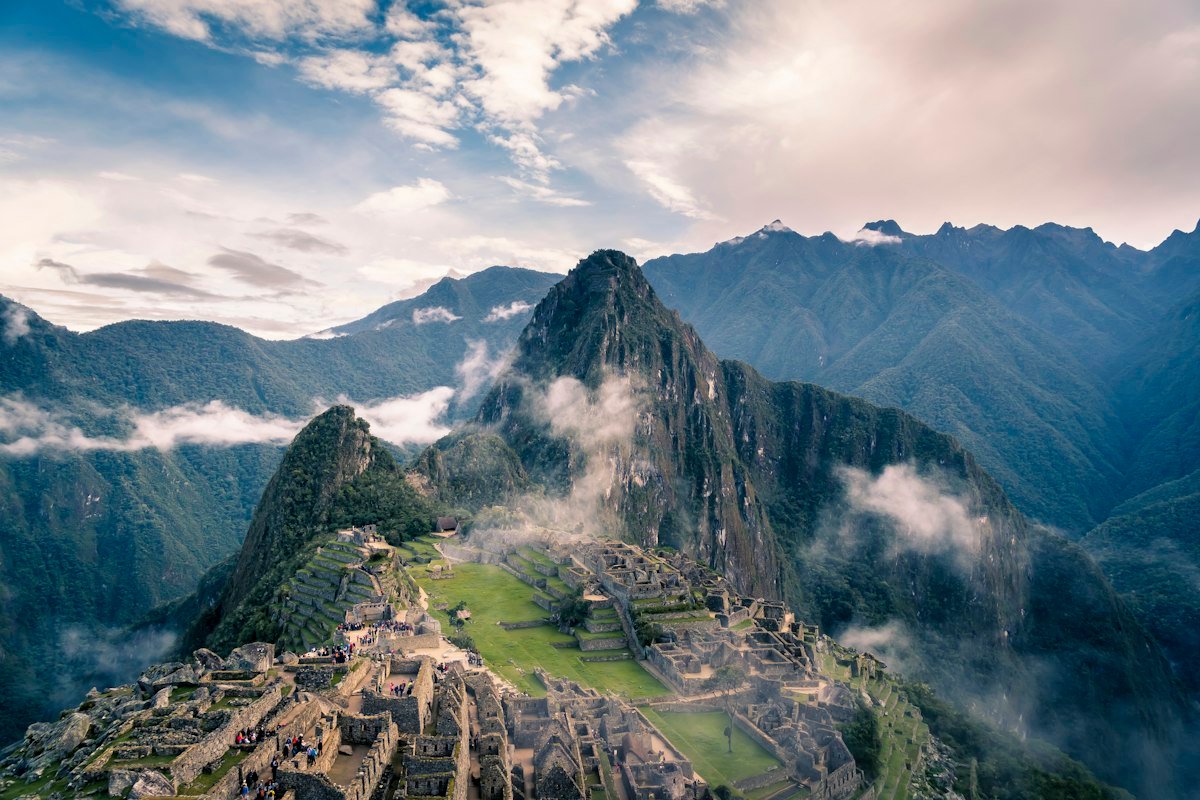

Ninety minutes after taking off from sea level in Lima, your Airbus A320 banks between jagged Andean peaks and touches down at Alejandro Velasco Astete Airport in Cusco. Step onto the tarmac at 11,152 feet (3,399 meters)—or land even higher at El Alto International Airport above La Paz, Bolivia, at a staggering 13,325 feet (4,061 meters)—and the air feels deceptively crisp. Your hotel lobby hands you a steaming porcelain cup of mate de coca, and you head out for a walking tour.
Six hours later, as night falls and your respiratory drive slows down in bed, a vise-grip headache clamps behind your temples. Nausea churns in your stomach, and your heart hammers at 105 beats per minute while lying flat on a pillow. Effective altitude sickness prevention in Cusco and La Paz has almost nothing to do with herbal tea—and everything to do with barometric pressure, carbonic anhydrase enzymes, and the exact elevation of your mattress on night one.
The Physics of Hypobaric Hypoxia: Why Marathon Runners Still Get Soroche
One of the most stubborn myths in adventure travel is that cardiovascular fitness protects you from Acute Mountain Sickness (AMS), known across Peru and Bolivia as soroche. According to the Centers for Disease Control and Prevention (CDC) Yellow Book and the Wilderness Medical Society, elite triathletes are just as susceptible to altitude sickness as sedentary travelers—and often suffer worse because they overexert themselves on arrival day.
At sea level, the atmosphere contains 20.9% oxygen under a barometric pressure of 760 mmHg. At 11,152 feet in Cusco, the air still contains 20.9% oxygen, but barometric pressure drops to roughly 505 mmHg. Because gas molecules are spread farther apart, every breath you inhale in Cusco delivers 33% fewer oxygen molecules to your alveoli than a breath in Lima. Up in El Alto and upper La Paz (11,942 to 13,325 feet), effective oxygen drops by nearly 40%.
According to epidemiological data published in travel medicine journals, between 40% and 50% of sea-level travelers who fly directly above 11,000 feet without staging or prophylaxis develop clinical AMS symptoms within 6 to 24 hours. Your body needs 48 to 72 hours to ramp up ventilation and adjust blood chemistry—and what you do during that window determines whether you enjoy your trip or spend three days miserable in bed.
The Sacred Valley Strategy: Why Sleeping Elevation Beats Daytime Elevation
In high-altitude physiology, there is an ironclad rule: it is the altitude where you sleep, not the altitude you visit during the day, that triggers or prevents AMS. While you are awake, conscious respiratory drive keeps you breathing deeply. Once you fall asleep, your blood oxygen saturation ($SpO_2$) drops sharply and many travelers experience “periodic breathing” (Cheyne-Stokes respiration)—cycling between rapid breaths and brief 10-second pauses that starve the brain of oxygen.
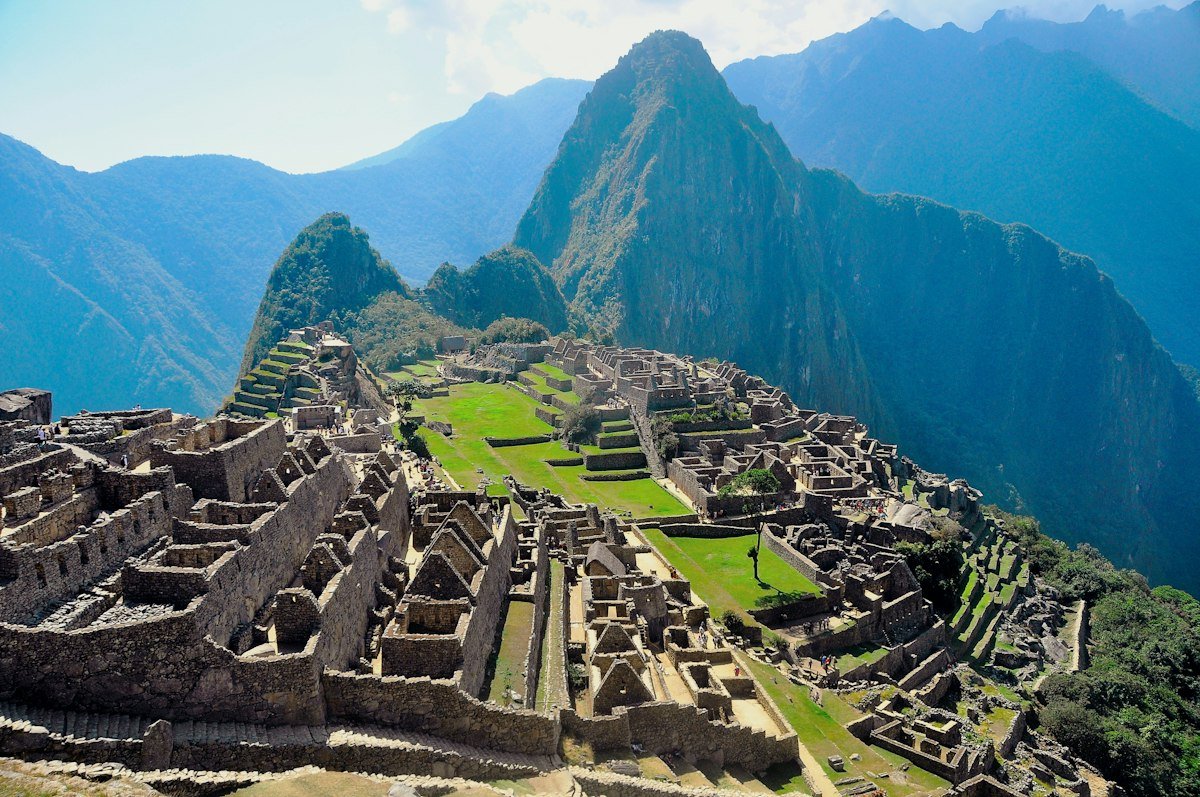
If you are visiting Peru, the single smartest tactical move is sleeping in Sacred Valley before Cusco. Instead of checking into a hotel in downtown Cusco (11,152 feet) after your flight from Lima, arrange for a private driver to meet you right outside the Cusco baggage claim and drive 75 minutes downhill into the Sacred Valley towns of Urubamba (9,420 feet / 2,870 meters) or Ollantaytambo (9,160 feet / 2,792 meters).
Dropping 1,700 to 2,000 vertical feet for your first two or three nights keeps you right around the 9,000-foot acclimatization sweet spot. EvenMachu Picchu itself sits lower still at just 7,972 feet (2,430 meters). By touring Pisac, Maras, Moray, Ollantaytambo, and Machu Picchu during the first half of your trip, your body builds red blood cell capacity and respiratory adaptation gently—so when you finally ascend to sleep in Cusco at the end of the week, you feel zero symptoms.
The Zona Sur Trick for La Paz, Bolivia
You can apply the exact same vertical topography hack in Bolivia. La Paz is built inside a dramatic steep canyon. While the airport in El Alto sits at 13,325 feet and the historic witches’ market center sits around 11,942 feet (3,640 meters), the upscale southern neighborhoods of Zona Sur (Calacoto, Achumani, and La Florida) drop down to 10,500 to 10,800 feet (3,200 meters). Booking your first two nights at a hotel in Zona Sur shaves nearly 2,800 feet off your landing altitude, drastically cutting your first-night headache risk.
Elevation Reference Table: Andean Hubs & Acclimatization Risk
| Andean Location | Elevation (Feet / Meters) | Effective Oxygen vs. Sea Level | Unstaged AMS Risk | Strategic Role in Itinerary |
|---|---|---|---|---|
| Lima, Peru | Sea Level (0 – 500 ft) | 100% | None | Starting gateway city |
| Machu Picchu Citadel | 7,972 ft (2,430 m) | ~74% | Low (<10%) | Mild altitude; easy breathing |
| Ollantaytambo / Urubamba | 9,160 – 9,420 ft (2,792–2,870 m) | ~70% | Low–Moderate (15%) | Ideal Night 1–3 base in Peru |
| La Paz Zona Sur (Calacoto) | 10,600 ft (3,230 m) | ~67% | Moderate (25–30%) | Ideal Night 1–2 base in Bolivia |
| Cusco Historic Center | 11,152 ft (3,399 m) | ~66% | High (40–50%) | Save for Nights 4–7 after Valley |
| La Paz Central / Lake Titicaca | 11,942 – 12,507 ft (3,640–3,812 m) | ~62% – 64% | High (50%+) | Ascend only after 3+ nights staging |
| El Alto Airport / Rainbow Mtn | 13,325 – 17,060 ft (4,061–5,200 m) | ~52% – 60% | Extreme | Never attempt Rainbow Mtn before Day 5 |
Diamox (Acetazolamide) Dosage vs. Over-the-Counter Sorojchi Pills
Why doesn’t coca tea prevent altitude sickness? While coca leaves contain mild alkaloids that act like a cup of green tea or espresso to mask fatigue, clinical studies show they do nothing to speed up physiological acclimatization. Similarly, the bright red-and-yellow “Sorojchi Pills” sold at every Peruvian pharmacy are simply a combination of aspirin (325 mg), acetaminophen/paracetamol (160 mg), and caffeine (32 mg). They treat a headache after it starts, but they do not help your lungs absorb more oxygen.
True medical prophylaxis relies on acetazolamide (brand name Diamox). According to the CDC Yellow Book, the standard preventative Diamox acetazolamide dosage for Cusco Peru and La Paz is 125 mg taken orally every 12 hours (twice daily), starting 24 hours before you ascend to high altitude and continuing for your first two nights at peak elevation.
Unlike painkillers, acetazolamide is a carbonic anhydrase inhibitor that prompts your kidneys to excrete bicarbonate in your urine. This slightly acidifies your blood (metabolic acidosis), which tricks your brain’s respiratory center into breathing deeper and faster—especially while you sleep—compressing three days of natural acclimatization into 24 hours. Expect two harmless, universal side effects: frequent urination and a distinct “pins-and-needles” tingling sensation (paresthesia) in your fingertips and toes, plus carbonated drinks tasting flat and metallic. (Consult your physician before travel, especially if you have a severe sulfa antibiotic allergy.)
Recognizing Danger Signs: Soroche Symptoms and Recovery Protocol
Mild soroche symptoms and recovery usually peak on the first morning and fade within 36 hours if you rest, avoid alcohol and sleeping pills (both depress breathing at night), eat high-carbohydrate meals, and take 400–600 mg of ibuprofen for altitude headache.
However, you must know the red-flag symptoms of life-threatening progression to High-Altitude Cerebral Edema (HACE) or High-Altitude Pulmonary Edema (HAPE):
- Ataxia (loss of coordination): If a traveler cannot walk heel-to-toe in a straight line and stumbles as if intoxicated, fluid is swelling around the brain (HACE).
- Breathlessness at complete rest: Gasping for air while sitting still on a couch, accompanied by blue lips, gurgling chest sounds, or a cough producing frothy pink sputum, signals fluid filling the lungs (HAPE).
- Mental confusion or extreme lethargy: Struggling to answer simple questions or refusing to get out of bed to eat or drink.
If any of those three warning signs appear, do not wait until morning. Request supplemental oxygen from your hotel front desk immediately, contact an international clinic (such as Clínica Pardo or O2 Medical Network in Cusco), and descend at least 2,000 to 3,000 vertical feet into the Sacred Valley or low canyon right away.