TRAVEL de GLOBE.
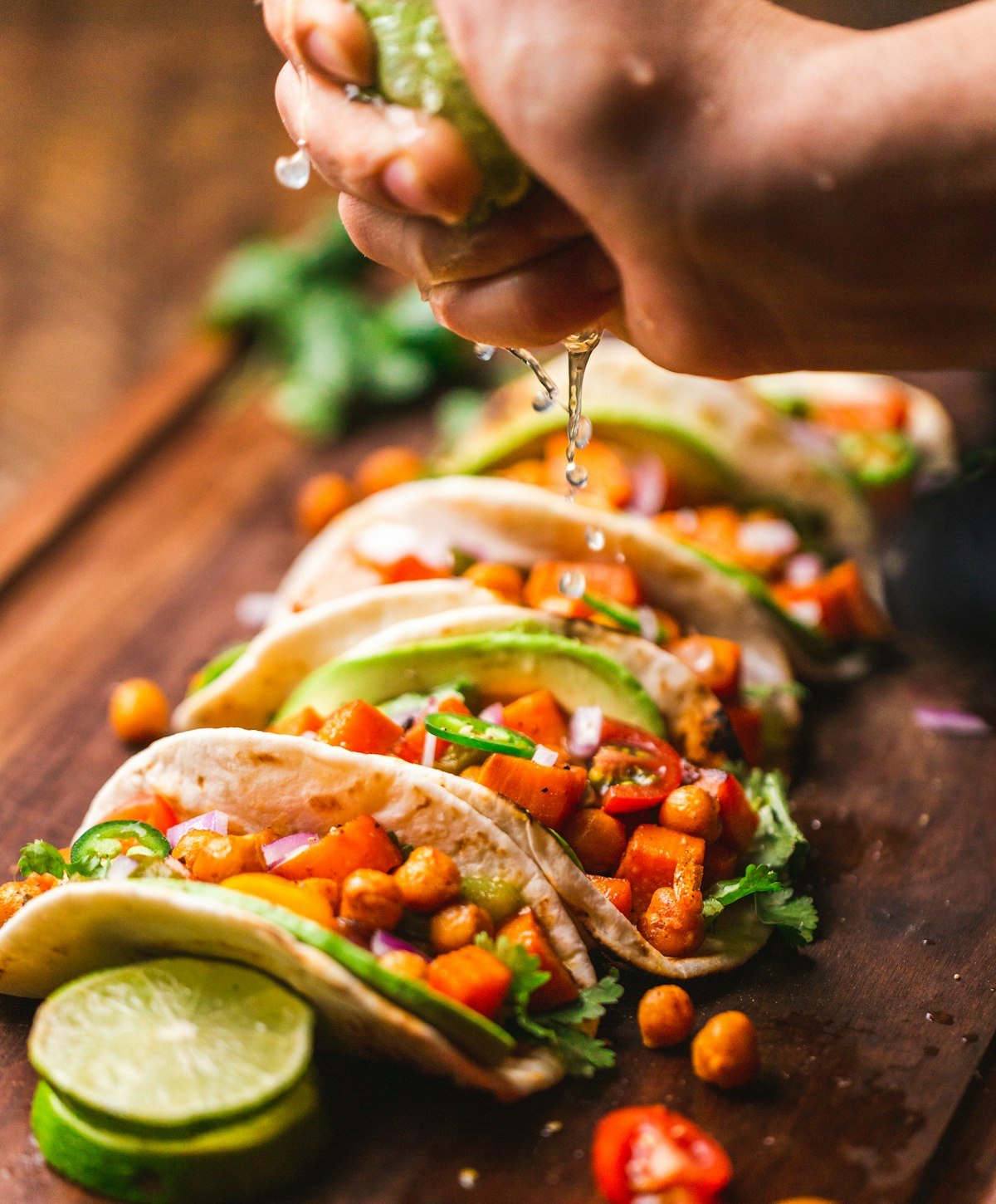

Blue smoke pours out of the arched doorway on Calle 20 de Noviembre like a building on fire. Step across the threshold and thirty women in checkered aprons wave raw sheets of salted beef and crimson pork in your face, shouting prices over the hiss of dripping fat. Your eyes water. Your shirt absorbs the scent of mesquite charcoal and roasted habanero within ten seconds. Walk in without a plan, and you will overpay for tough meat and dry tortillas. That is why every hungry traveler needs a battle-tested Oaxaca street food guide before stepping into southern Mexico’s culinary capital.
Oaxaca de Juárez never treats street food as cheap filler between restaurant reservations. Here, the clay comal griddle on the sidewalk is the main event. Centuries of Zapotec and Mixtec nixtamalization techniques play out on metal carts outside churches, inside sprawling indoor markets, and along smoky midnight curbs. Fine-dining tasting menus near Santo Domingo cathedral now charge 2,200 MXN ($115 USD) per person, yet three blocks away, an auntie who has ground heirloom corn for forty years will hand you a life-changing memela for 25 pesos.
Surviving the Mercado 20 de Noviembre Pasillo de Humo
Nothing embodies Oaxacan carnivorous theater quite like the Mercado 20 de Noviembre Pasillo de Humo. Known in English as the “Smoke Alley,” this narrow indoor corridor houses dozens of side-by-side butcher-grillers flanked by communal wooden benches. You pick your raw meats, the vendor grills them over wood embers, and a runner brings them to your table. However, the modular pricing catches first-timers off guard every afternoon.
- Pick your stall by eye, not volume: Look at the meat hanging on hooks. You want thin, glistening ribbons of tasajo (salted beef brisket or round), bright red cecina enchilada (pork loin marinated in guajillo chili), and glossy links of Oaxacan chorizo.
- Order by weight, not by “plate”: If you vaguely ask for a mixed plate for two, stalls may load a wire basket with 750 grams of meat and hand you a 500+ MXN bill. Ask specifically for un cuarto (250 grams, around 140 to 170 MXN) of tasajo and medio cuarto (125 grams) of chorizo.
- Track the side-dish vendors: Every item on your table comes from a separate micro-vendor. Warm corn tortillas cost 15 to 20 MXN per stack; grilled spring onions (cebollitas), blistered chiles de agua, nopal paddles, and guacamole add 60 to 100 MXN. Confirm the price of the condiment basket before nodding yes.
- Pro budget hack: Walk fifty meters into adjacent Benito Juárez Market first, buy a ripe Hass avocado, two limes, and a bag of crunchy chapulines (toasted grasshoppers) for 40 MXN total, and carry them into the Smoke Alley.
Tlayudas and Memelas Oaxaca: Morning vs. Midnight Masa
Understanding the clock is crucial when hunting down tlayudas and memelas Oaxaca style. Oaxacans divide corn masa dishes strictly into morning griddles and nocturnal charcoal grates. Show up asking for a tlayuda at 10:00 AM and locals will stare at you in disbelief.
Morning belongs to the memela (7:30 AM – 1:30 PM): A memela starts as a thick disk of fresh nixtamalized corn dough toasted on a clay comal. The maker pinches the hot edges to create tiny ridges that trap toppings. Next comes a smear of asiento—unrefined pork lard cracklings ground into a savory paste—followed by black bean purée, crumbled queso fresco or stringy quesillo, and fiery salsa morita. At legends like Memelas Doña Vale in Central de Abastos or carts in La Merced, basic memelas cost 20 to 30 MXN each, or 50 to 90 MXN for an order of three topped with grilled meat.
Night belongs to the tlayuda (7:00 PM – 1:00 AM): A real street tlayuda is an engineering marvel. The 30-centimeter corn tortilla is toasted until leathery, smeared with asiento and refried black beans, layered with cabbage, quesillo, and avocado, and placed directly onto an open wire grate over glowing charcoal embers. As the base chars in the smoke, your tasajo, cecina, or chorizo grills right beside it. Folded in half (doblada) or open-faced, a loaded tlayuda at Tlayudas La Chinita or Tlayudas Libres costs 85 MXN to 150 MXN ($4.50 to $8.00 USD) in 2026.
2026 Oaxaca Street Food Price & Location Breakdown
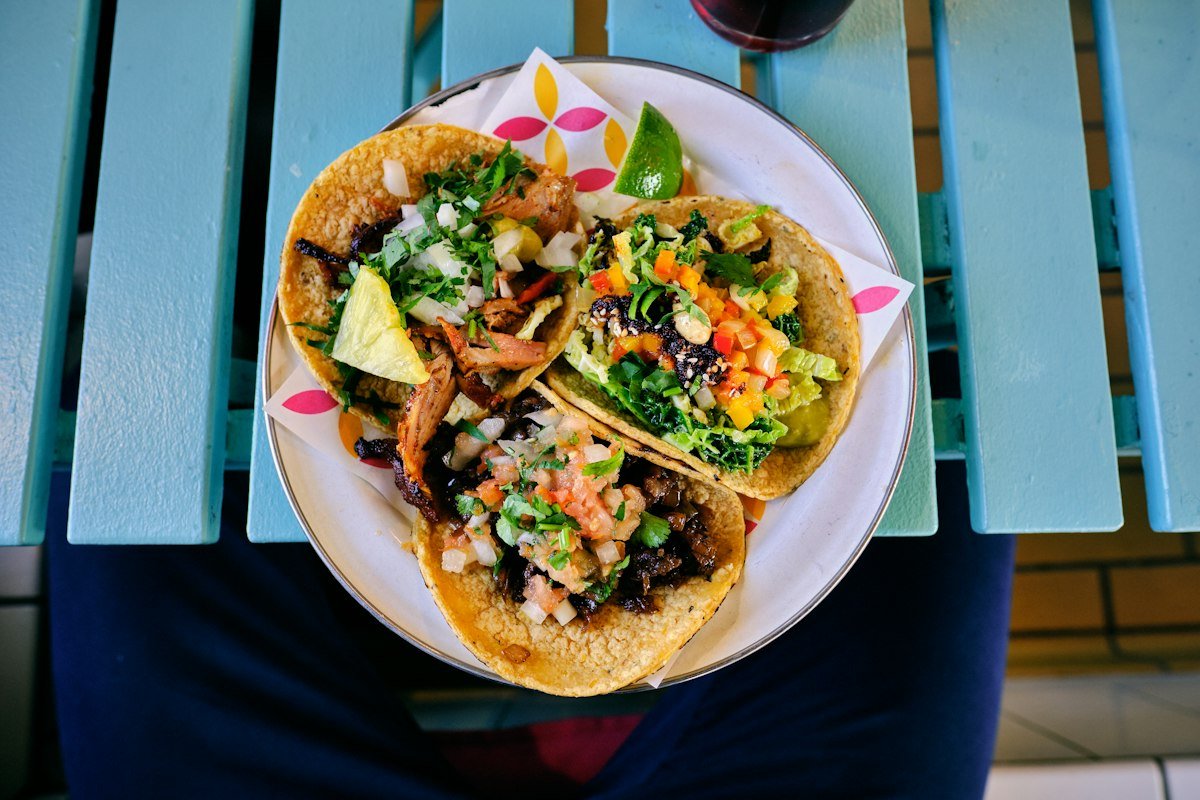
While tourist restaurants on Macedonio Alcalá charge U.S. prices, street carts and traditional markets remain anchored to local wages. Here is what you will pay across Oaxaca in 2026:
| Oaxaca Dish | Best Hours | Top Market / Street | 2026 Price (MXN) | What to Order |
|---|---|---|---|---|
| Pasillo de Humo Grill | 11:00 AM – 5:00 PM | Mercado 20 de Noviembre | 200 – 380 MXN/person | 250g tasajo/chorizo mix + chiles de agua |
| Street Tlayuda | 7:30 PM – Midnight | Calle de los Libres / Reforma | 85 – 150 MXN | Con tasajo y quesillo, bien dorada |
| Order of 3 Memelas | 8:00 AM – 1:00 PM | Central de Abastos / La Merced | 50 – 95 MXN | Con asiento, frijol, quesillo y salsa |
| Empanadas de Amarillo | 9:00 AM – 3:00 PM | Sánchez Pascuas / Carmen Alto | 55 – 85 MXN | Shredded chicken, yellow mole & hoja santa |
| Tacos de Lechón | 10:00 AM – 2:30 PM | Calle Trujano / Centro | 45 – 70 MXN per taco | Con chicharrón prensado (crispy skin) |
| Tejate (Cacao Drink) | 10:00 AM – 4:00 PM | Benito Juárez Market | 35 – 55 MXN per gourd | Served cold in a painted jícara bowl |
Three More Street Staples You Cannot Miss
1. Empanadas de Mole Amarillo
An Oaxacan empanada is a dinner-plate-sized corn tortilla folded over shredded chicken, cilantro, and aromatic hoja santa leaf drenched in warm mole amarillo—a brick-orange sauce spiced with chilhuacle chiles. Toasted on a comal until blistered, it is served with pickled onions outside Carmen Alto church or inside Mercado Sánchez Pascuas.
2. Tamales Oaxaqueños in Banana Leaf
Oaxaca’s cooks wrap lard-whipped masa in shiny green banana leaves (hoja de plátano) that keep the dough pudding-soft. Look for steel steamer pots on street corners at 7:30 AM or 8:00 PM alongside thermoses of hot champurrado. A black mole (mole negro) tamal costs just 25 to 35 MXN.
3. Tejate: The Pre-Hispanic Cacao Drink
When midday heat bakes the cobblestones, follow the line to a woman hand-whipping tejate in a clay tub from toasted maize flour, fermented white cacao beans, mamey sapote pits (pixtle), and flor de cacao blossoms. Scooped into a red gourd with ice, it tastes like iced almond-chocolate horchata.
Safe Street Food Tips in Oaxaca: Keeping Your Stomach Intact
Practicing smart safe street food tips in Oaxaca does not mean hiding in hotel restaurants—a high-turnover street comal operating at 250°C is far safer than a stagnant buffet pan.
- Apply the two-person rule: At any good stall, one person cooks while a second person handles dirty peso bills. If a vendor grabs raw pork and hands back change with the same bare hand, keep walking.
- Watch raw garnishes: Comal heat kills bacteria on tortillas and meat instantly. The #1 vector for stomach bugs is raw cilantro or unboiled green salsa rinsed in tap water. Stick to cooked salsas (like roasted chile de árbol) and grilled onions during your first 48 hours.
- Check the ice shape: Reputable stalls use purified factory ice (hielo purificado), recognizable by its uniform cylindrical tube shape with a hole through the middle.
- Carry 20-peso bills: Break 500-peso ATM bills at an OXXO convenience store the night before so morning vendors are never stuck for change.